Wine Pairing Recipe: Two Pea Soup
When bringing a wine to table, of all elements to consider in a dish and its preparation, the most important, in my view, is how much salt it contains. A bit of salt is no worry (and actually makes most any wine taste milder or smoother), but a marked amount of salt makes the wine choice crucial. This soup adds salt to salt: cured smoked ham plus canned broth plus salt “to taste” equals a fair amount of salt. Wines low in acidity or high in alcohol are poor pours in the presence of salt, but any zesty wine, especially one with a tad of sweetness, will win.
Two Pea Soup
Recipe from Helen Dollaghan, former food editor at The Denver Post
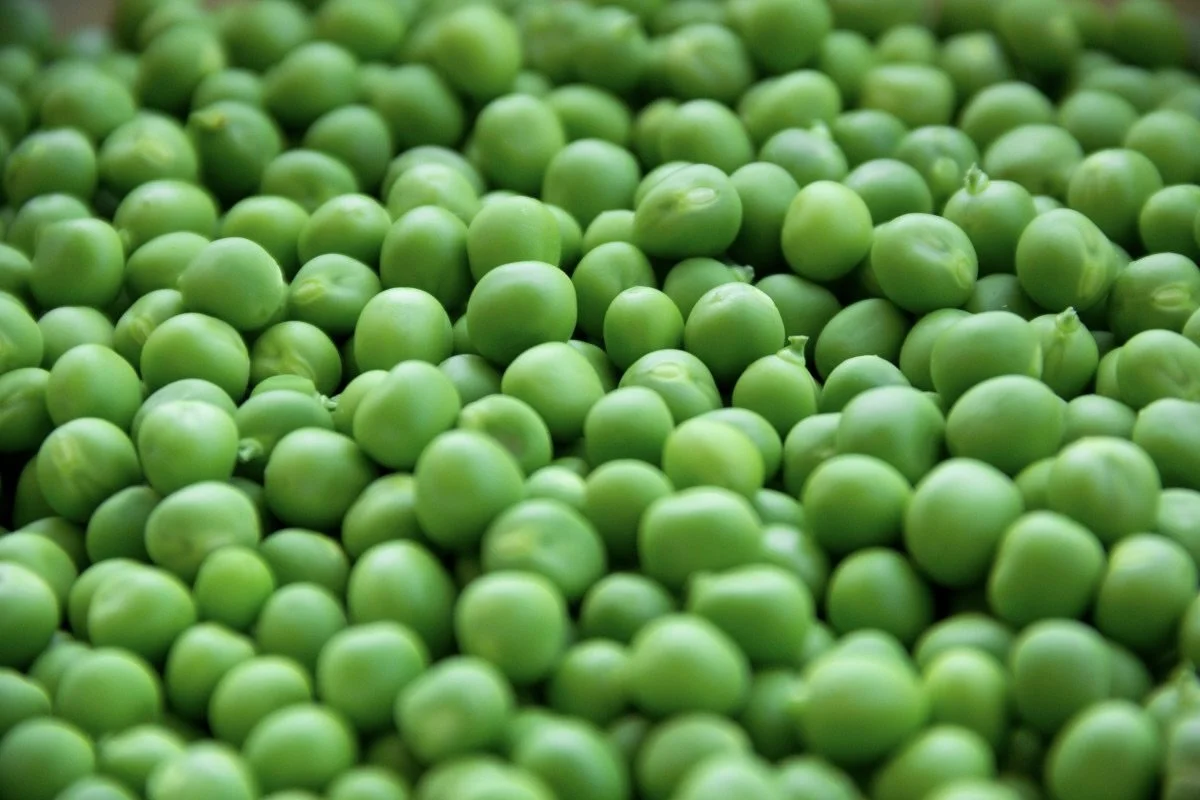
Melt 1/2 stick butter in a pot. Add 1 large, chopped onion, 2 medium ribs chopped celery, 2 medium chopped carrots and 2 cloves minced garlic. Cook over low heat, stirring occasionally, until vegetables are soft. Rinse and pick over 1/2 pound dried green split peas. Add split peas, 1 smoked ham hock, trimmed of fat, 4 cups canned chicken broth, 1 bay leaf and 2 cups water to onion mixture. Bring to boil, skimming off froth. Reduce heat and simmer, covered, about 1 hour and 15 minutes or until the dried peas are soft. Remove ham hock and cut meat into small pieces, discarding bone. Discard bay leaf. Return ham to soup. Add salt and pepper to taste and 1 package thawed frozen green peas. Heat just until those peas are barely cooked.
Wines:
Soup aficionados where this sort of vegetable-and-meat soup originated—in general, Europe—long have enjoyed sipping wines such as Sherry or Madeira with their heartier soups. Amontillado Sherry and Verdelho Madeira both sport a spot of sweetness and are about as perfect a match as can be found. If you’re in search for a regular wine, though, try to keep to something neither very dry nor overly alcoholic (the saltiness here will off it). Many a Riesling might be nice; so, too, the low alcohol Moscato now made around the globe, not merely in Italy.
All sorts of stuff on Pairing Food and Wine on this site. I mean, a lot.