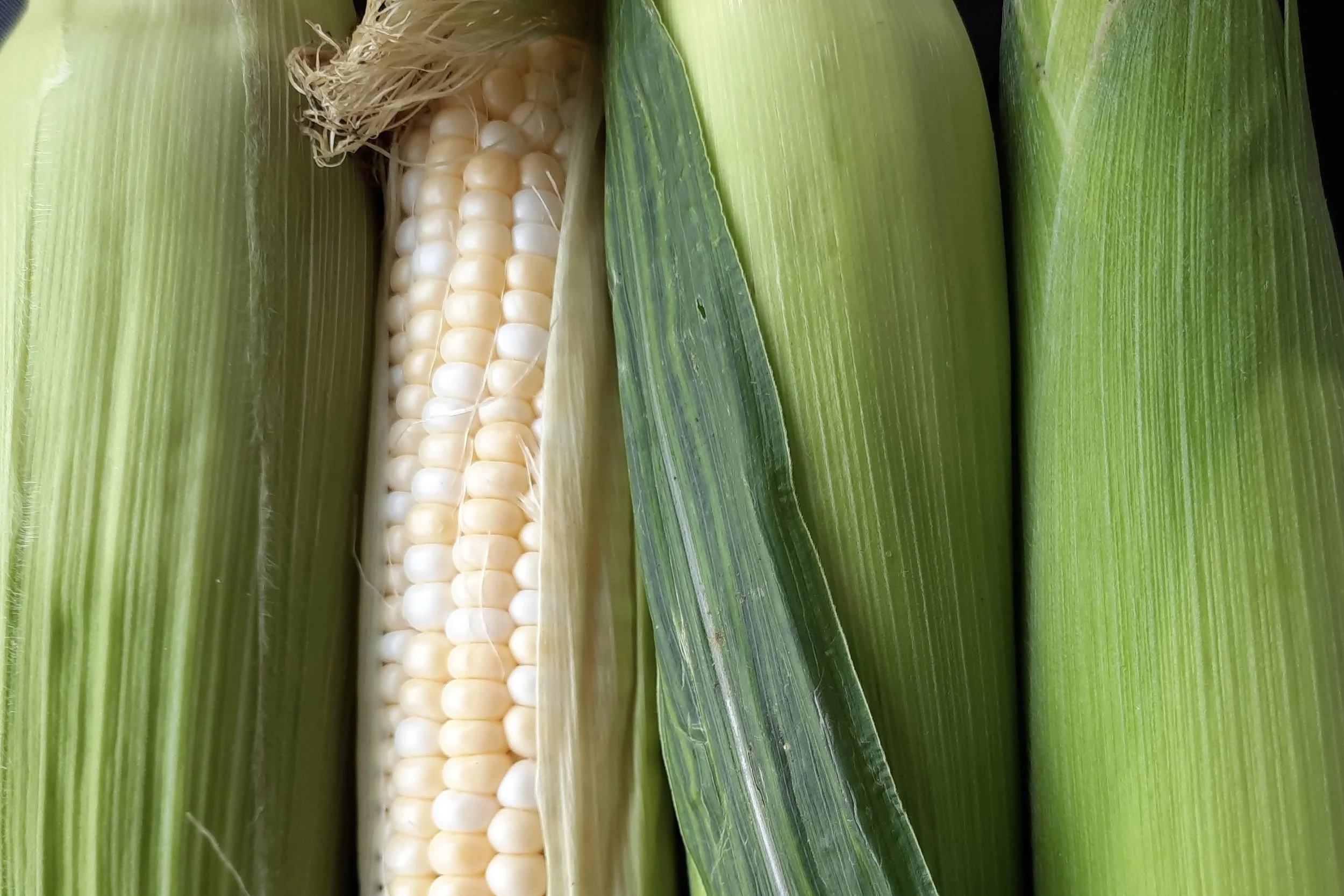
Corn and Columbus
My calendar lists Monday, October 12, as both “Columbus Day” and “Indigenous Peoples’ Day.” I believe that what one calls the day is a function of how one sees the past.
For myself, I prefer to call the 2nd Monday in October “Indigenous Peoples’ Day,” for two reasons, mostly because of my own overarching interests in food and how we cook and eat it: Before and after 1492, the more-than-100 tribes on this land that we now call Mexico and the United States exercised an enormous influence on the history of our American foodways, then and now.
Also, I suppose because I am the eldest of nine children, I honor their place in our country’s history: They, their cooking, and their eating were here first.
After his travels and discoveries, of all the foods that Columbus brought back from the New World to the Old— the turkey, potato, peanut, tomato, and tobacco, among many—none since has been more widely planted globally than maize (Zea mays), what we call “corn.”
In my view, corn is better viewed less as a Colombian contribution to other hemispheres than as a gift to them from the Indigenous Peoples of our hemisphere.
If it were not for the Indigenous Peoples of Mesoamerica and, in time, North and Central America, corn as we know it would not even exist. Over a period of 9,000 years, these ancient peoples bred and domesticated a wild grass, teosinte, into the grain that we consume today.
Teosinte’s “ears,” no longer than your pinkie finger, encased hard, nearly impenetrable seeds that, over those 9,000 years, were husbanded into a much more accessible, softly rendered grain that now to the world is Zea mays, “maize.”
It remains the most important grain consumed by humans in Latin America (and also in Africa), and the second most consumed on earth. But oddly, of the three global grain crops to include rice and wheat, it is the only one not grown primarily for direct human consumption.
Humans eat a mere one-fifth of all maize grown globally; their animals eat two-thirds of it; and one-tenth is used in the manufacture of, broadly, other food and fuel. Most of the backbone of our overall North American diet of both meat and dairy is more properly viewed as converted corn.
Because it is highly mutable, genetically diverse, and culturally adaptable, no grain grows in more varying places or climates on earth: parched and rainy, high and low in altitude, or cool and warm.
More on the history of corn on this site.
Recipes here that feature corn.